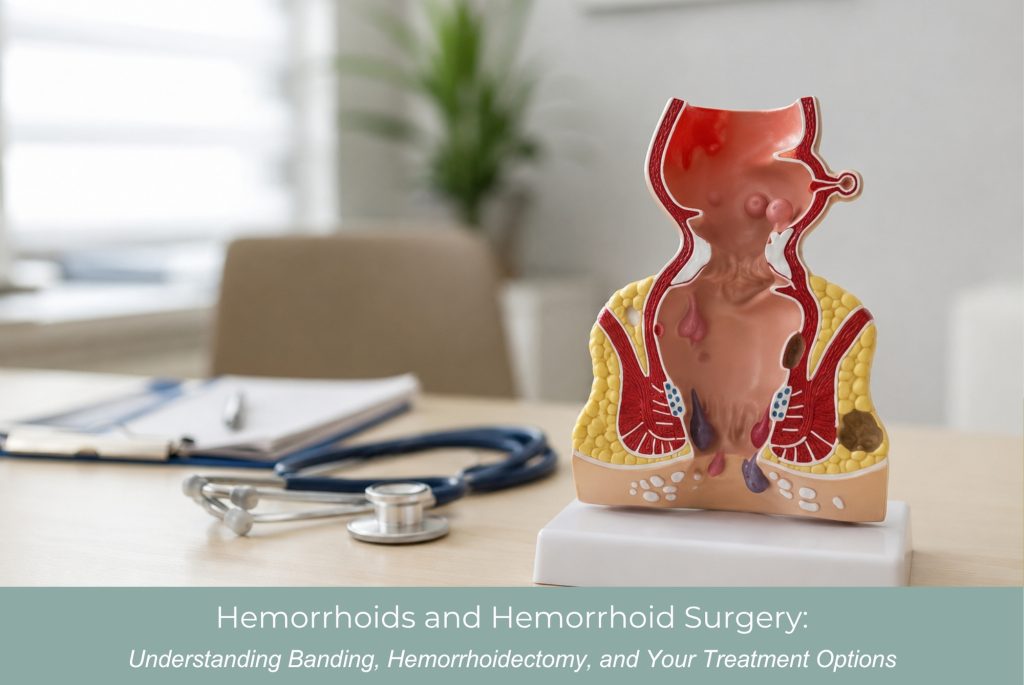
A Complete Guide to Hemorrhoid Treatment with Dr. Matthew Cooper
Hemorrhoids are one of the most common conditions affecting the digestive system, yet many people hesitate to seek treatment due to embarrassment or the misconception that symptoms will simply resolve on their own. While many hemorrhoids improve with conservative measures such as dietary changes and topical medications, others require specialized treatment to provide lasting relief.
Fortunately, advances in minimally invasive procedures and modern surgical techniques make hemorrhoid treatment more effective and comfortable than ever before. Whether you are experiencing occasional discomfort or severe, persistent symptoms, understanding your options—including rubber band ligation (hemorrhoid banding) and hemorrhoidectomy—can help you make informed decisions about your health.
Dr. Matthew Cooper is a board-certified general surgeon in Encinitas, California, who provides expert evaluation and individualized treatment for patients suffering from hemorrhoids. His goal is to relieve pain, eliminate symptoms, and help patients return to their normal activities as quickly and safely as possible.
What Are Hemorrhoids?
Hemorrhoids are enlarged, swollen veins located in the lower rectum and anus. They function as part of the normal anatomy, helping maintain continence, but when these veins become enlarged or inflamed, they can cause uncomfortable symptoms.
Hemorrhoids are extremely common, affecting millions of adults in the United States. By age 50, nearly half of adults will experience symptomatic hemorrhoids at some point.
Hemorrhoids are not dangerous or cancerous, but persistent symptoms should always be evaluated to rule out more serious colorectal conditions.
Types of Hemorrhoids
There are several types of hemorrhoids, each with unique symptoms and treatment approaches.
Internal Hemorrhoids
Internal hemorrhoids develop inside the rectum and are usually painless because they occur above the pain-sensitive nerves.
Symptoms may include:
- Bright red rectal bleeding
- Prolapse during bowel movements
- Mucus drainage
- Feeling of incomplete evacuation
External Hemorrhoids
External hemorrhoids develop beneath the skin surrounding the anus.
Symptoms commonly include:
- Pain
- Swelling
- Itching
- Tender lumps
- Difficulty sitting comfortably
Thrombosed Hemorrhoids
Sometimes a blood clot develops inside an external hemorrhoid.
This may cause:
- Sudden severe pain
- Firm, bluish lump
- Significant swelling
- Inflammation
These often require prompt medical evaluation.
What Causes Hemorrhoids?
Hemorrhoids develop when increased pressure is placed on the veins surrounding the rectum.
Common contributing factors include:
- Chronic constipation
- Frequent straining during bowel movements
- Chronic diarrhea
- Pregnancy
- Obesity
- Heavy lifting
- Low-fiber diets
- Aging
- Prolonged sitting
- Family history
Many patients develop hemorrhoids due to multiple contributing factors.
Common Symptoms of Hemorrhoids
Symptoms vary depending on the location and severity.
Patients frequently experience:
- Bright red blood after bowel movements
- Rectal pain
- Anal itching
- Burning sensation
- Swelling around the anus
- Tender lumps
- Mucus discharge
- Difficulty cleaning after bowel movements
- Feeling that tissue protrudes from the anus
- Discomfort while sitting
Persistent rectal bleeding should never be ignored, even if hemorrhoids are suspected.
When Should You See a Surgeon?
While mild hemorrhoids often improve with lifestyle changes, medical evaluation is recommended if symptoms persist or worsen.
Seek medical care if you experience:
- Ongoing rectal bleeding
- Severe pain
- Large prolapsing hemorrhoids
- Recurrent hemorrhoids
- Blood clots
- Difficulty with hygiene
- Symptoms lasting longer than one week despite home treatment
Evaluation helps ensure symptoms are not caused by colorectal cancer, inflammatory bowel disease, fissures, or other conditions.
Diagnosing Hemorrhoids
Dr. Matthew Cooper performs a comprehensive evaluation to determine the exact cause of your symptoms.
Diagnosis may include:
- Complete medical history
- Physical examination
- Digital rectal exam
- Anoscopy
- Review of bowel habits
- Colonoscopy referral if indicated based on age, symptoms, or risk factors
A proper diagnosis allows treatment to be tailored to your specific condition.
Conservative Treatment for Hemorrhoids
Many patients improve without surgery.
Conservative treatment may include:
Increasing Fiber Intake
Dietary fiber softens stool and reduces straining.
Good sources include:
- Fruits
- Vegetables
- Whole grains
- Beans
- Fiber supplements
Adults should generally aim for 25–35 grams of fiber daily.
Drinking More Water
Adequate hydration keeps stool soft and easier to pass.
Sitz Baths
Warm water baths reduce inflammation and provide symptom relief.
Stool Softeners
Temporary stool softeners may reduce painful bowel movements during healing.
Topical Medications
Over-the-counter creams and prescription medications may reduce:
- Swelling
- Itching
- Pain
- Inflammation
These treatments often help mild hemorrhoids but may not resolve larger internal hemorrhoids.
Hemorrhoid Banding (Rubber Band Ligation)
What Is Hemorrhoid Banding?
Rubber band ligation is one of the most effective office-based treatments for internal hemorrhoids.
During the procedure:
- A small rubber band is placed around the base of the hemorrhoid.
- Blood supply is cut off.
- The hemorrhoid shrinks.
- It falls off naturally within several days.
- Scar tissue forms to prevent recurrence.
Who Is a Good Candidate?
Banding works best for:
- Grade I internal hemorrhoids
- Grade II hemorrhoids
- Selected Grade III hemorrhoids
- Recurrent bleeding
- Mild prolapse
Benefits of Banding
Advantages include:
- No large incision
- Minimal discomfort
- Performed in the office
- Quick procedure
- Little recovery time
- Excellent long-term success
- Return to work within one or two days for many patients
Recovery After Banding
Patients may notice:
- Mild pressure
- Temporary fullness
- Minor bleeding several days later
- Minimal activity restrictions
Most patients resume normal activities quickly.
Hemorrhoidectomy
What Is a Hemorrhoidectomy?
Hemorrhoidectomy is a surgical procedure that completely removes enlarged hemorrhoidal tissue.
It remains the gold standard for treating:
- Large hemorrhoids
- Severe prolapse
- External hemorrhoids
- Mixed internal and external hemorrhoids
- Recurrent hemorrhoids
- Hemorrhoids that have not responded to banding
How Is Hemorrhoidectomy Performed?
The procedure is typically performed under anesthesia.
Dr. Cooper carefully removes the enlarged hemorrhoidal tissue while preserving healthy surrounding structures to optimize healing and maintain normal function.
Modern surgical techniques focus on:
- Reducing pain
- Minimizing bleeding
- Preserving normal anatomy
- Lowering recurrence rates
Benefits of Hemorrhoidectomy
Advantages include:
- Permanent removal
- Excellent long-term results
- Lowest recurrence rate
- Relief of severe symptoms
- Treatment of multiple hemorrhoids simultaneously
Recovery After Hemorrhoidectomy
Recovery varies depending on the extent of surgery.
Patients generally experience:
- Temporary discomfort
- Mild swelling
- Gradual improvement over several weeks
Recovery recommendations often include:
- High-fiber diet
- Stool softeners
- Adequate hydration
- Walking
- Pain management
- Sitz baths
Most patients experience significant improvement within several weeks.
Risks of Hemorrhoid Surgery
Although complications are uncommon, potential risks include:
- Bleeding
- Infection
- Pain
- Urinary retention
- Delayed healing
- Anal narrowing (rare)
- Recurrence
- Temporary bowel habit changes
Choosing an experienced board-certified surgeon helps minimize these risks.
Can Hemorrhoids Return?
Yes.
Although surgery offers excellent long-term success, hemorrhoids can recur if contributing factors continue.
Prevention strategies include:
- Eating a high-fiber diet
- Staying hydrated
- Exercising regularly
- Avoiding prolonged sitting
- Not delaying bowel movements
- Avoiding excessive straining
- Maintaining a healthy weight
Why Choose Dr. Matthew Cooper?
Patients throughout Encinitas and North County San Diego trust Dr. Matthew Cooper for compassionate, evidence-based surgical care.
Dr. Cooper provides:
- Board-certified surgical expertise
- Comprehensive hemorrhoid evaluation
- Personalized treatment recommendations
- Minimally invasive procedures when appropriate
- Advanced surgical techniques
- Patient-centered care
- Thorough follow-up throughout recovery
Every treatment plan is designed around your symptoms, lifestyle, and long-term health goals.
Frequently Asked Questions About Hemorrhoids and Hemorrhoid Surgery
Are hemorrhoids dangerous?
Most hemorrhoids are not dangerous, but persistent bleeding should always be evaluated to rule out more serious conditions such as colorectal cancer or inflammatory bowel disease.
Does hemorrhoid banding hurt?
Most patients experience only mild pressure or temporary discomfort. Because internal hemorrhoids are located in an area with few pain-sensitive nerves, the procedure is generally well tolerated.
How long does hemorrhoid banding take?
The procedure usually takes only a few minutes and is commonly performed in the office without general anesthesia.
How successful is hemorrhoid banding?
Rubber band ligation has an excellent success rate for appropriately selected internal hemorrhoids and often provides long-lasting symptom relief.
When is hemorrhoidectomy necessary?
Hemorrhoidectomy is typically recommended for large external hemorrhoids, severe prolapsing hemorrhoids, mixed hemorrhoids, or hemorrhoids that have not improved with conservative treatment or banding.
How painful is hemorrhoidectomy recovery?
Some discomfort is expected during recovery, but pain is managed with medications, dietary adjustments, hydration, and warm sitz baths. Most patients improve steadily over several weeks.
Will I need anesthesia?
Banding is generally performed without general anesthesia, while hemorrhoidectomy is usually performed under anesthesia in a surgical setting.
Can hemorrhoids be prevented?
Maintaining a high-fiber diet, drinking plenty of water, exercising regularly, avoiding prolonged sitting, and preventing constipation can significantly reduce the risk of developing hemorrhoids.
Is rectal bleeding always caused by hemorrhoids?
No. Rectal bleeding may also result from colorectal polyps, diverticulosis, inflammatory bowel disease, anal fissures, or colorectal cancer. A medical evaluation is essential for an accurate diagnosis.
When should I schedule an appointment?
You should seek evaluation if you experience persistent bleeding, severe pain, prolapsing hemorrhoids, recurrent symptoms, or if home treatments have not provided relief.
Contact Dr. Matthew Cooper
Dr. Matthew Cooper
310 Santa Fe Dr. Suite 220
Encinitas, CA 92024
Phone: (760) 635-9185
Website: https://encinitassurgical.com
Schedule a Consultation:
https://encinitassurgical.com/appointments/