Understanding Gallbladder Removal (Cholecystectomy)
Gallbladder removal, medically known as cholecystectomy, is one of the most commonly performed surgical procedures in the United States. Millions of people undergo this minimally invasive surgery every year to relieve pain, prevent serious complications, and improve their quality of life. While the thought of surgery can be intimidating, modern laparoscopic techniques have made gallbladder removal safer, less invasive, and associated with faster recovery than ever before.
If you have been experiencing persistent abdominal pain, nausea after eating, gallstones, or gallbladder inflammation, your physician may recommend a cholecystectomy as the most effective treatment. Understanding why gallbladder removal is performed, what to expect before and after surgery, and how your body adapts afterward can help you feel more confident about your treatment.
At Dr. Matthew Cooper, patients receive compassionate, individualized surgical care using evidence-based techniques designed to maximize safety and promote a smooth recovery.
What Is the Gallbladder?
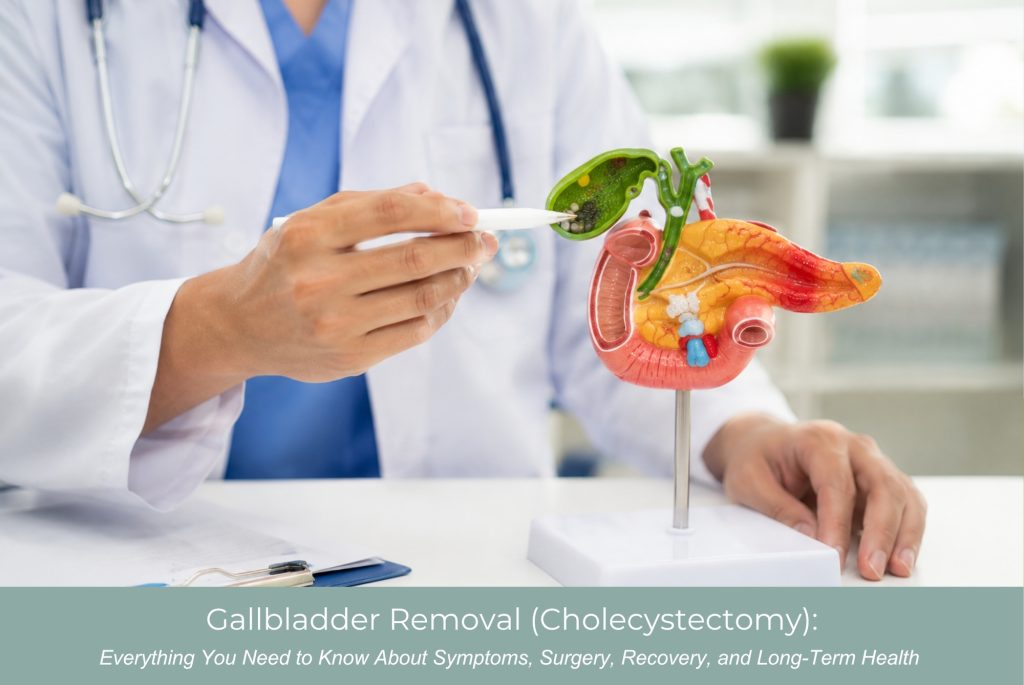
The gallbladder is a small, pear-shaped organ located beneath the liver on the right side of the abdomen. Its primary function is to store and concentrate bile, a digestive fluid produced by the liver.
When you eat foods containing fat, the gallbladder releases bile into the small intestine to help break down and digest fats efficiently.
Although the gallbladder plays a supportive role in digestion, it is not essential for survival. After removal, bile flows directly from the liver into the intestines, allowing digestion to continue normally for most individuals.
What Is a Cholecystectomy?
A cholecystectomy is the surgical removal of the gallbladder.
Today, the majority of gallbladder surgeries are performed using laparoscopic (minimally invasive) techniques, involving several very small incisions and specialized surgical instruments.
Benefits of laparoscopic surgery include:
- Smaller incisions
- Less postoperative pain
- Reduced risk of infection
- Faster recovery
- Minimal scarring
- Earlier return to normal activities
- Shorter hospital stay (often same-day discharge)
In some situations, an open cholecystectomy may be necessary if severe inflammation, extensive scar tissue, bleeding, or unexpected findings are present.
Why Might Someone Need Gallbladder Removal?
The most common reason for gallbladder removal is the development of gallstones.
Gallstones are hardened deposits that form from bile components, including cholesterol and bilirubin.
Many people have gallstones without symptoms. However, when gallstones block the bile ducts, they can cause significant pain and potentially dangerous complications.
Common reasons for surgery include:
Symptomatic Gallstones
Gallstones causing recurring pain after meals, especially fatty meals.
Acute Cholecystitis
Inflammation of the gallbladder caused by blockage, often requiring urgent treatment.
Chronic Gallbladder Disease
Repeated inflammation leading to reduced gallbladder function.
Gallstone Pancreatitis
Gallstones blocking the pancreatic duct, leading to inflammation of the pancreas.
Bile Duct Obstruction
Gallstones trapped in the common bile duct may interfere with normal bile drainage.
Gallbladder Dysfunction
Sometimes the gallbladder fails to empty properly despite the absence of stones.
Symptoms That May Indicate Gallbladder Disease
Gallbladder problems can range from mild discomfort to severe pain.
Common symptoms include:
- Pain in the upper right abdomen
- Pain after eating fatty foods
- Pain that radiates to the back or right shoulder
- Nausea
- Vomiting
- Bloating
- Indigestion
- Abdominal tenderness
- Fever (during infection)
- Chills
- Jaundice (yellowing of the skin or eyes)
- Dark urine
- Pale-colored stools
Symptoms often worsen after eating rich or greasy meals.
How Gallbladder Disease Is Diagnosed
A comprehensive evaluation typically includes:
Medical History
Your surgeon reviews:
- Symptoms
- Timing of pain
- Eating habits
- Previous abdominal surgeries
- Medical conditions
- Family history
Physical Examination
Tenderness in the upper right abdomen may suggest gallbladder inflammation.
Diagnostic Testing
Common imaging studies include:
- Abdominal ultrasound
- CT scan
- HIDA scan
- MRI/MRCP
- Blood tests to evaluate liver function and infection
These tests help determine the severity of disease and guide treatment recommendations.
When Is Surgery Recommended?
Not every gallstone requires surgery.
Gallbladder removal is generally recommended when patients experience:
- Recurrent painful gallstone attacks
- Gallbladder inflammation
- Gallstone pancreatitis
- Infection
- Poor gallbladder function
- Large symptomatic gallstones
- Complications involving the bile ducts
Removing the gallbladder prevents repeated attacks and reduces the risk of serious complications.
Preparing for Gallbladder Surgery
Before surgery, your healthcare team will review your health history and provide individualized instructions.
Preparation may include:
- Blood work
- Imaging studies
- Medication review
- Temporary discontinuation of blood thinners
- Fasting after midnight
- Arranging transportation home
Patients should inform their surgeon about all medications, vitamins, and supplements they are taking.
What Happens During a Laparoscopic Cholecystectomy?
Most procedures are performed under general anesthesia.
The surgery generally involves:
- Small incisions are created in the abdomen.
- Carbon dioxide gas gently inflates the abdomen for better visibility.
- A laparoscope (small camera) is inserted.
- Specialized instruments remove the gallbladder.
- The incisions are closed with sutures or surgical glue.
The procedure typically lasts 30 minutes to 90 minutes, depending on the complexity of the case.
Recovery After Gallbladder Removal
Recovery varies slightly from patient to patient.
Most individuals:
- Return home the same day
- Walk within several hours
- Resume light activity in a few days
- Return to office work within one week
- Resume full activity within two to four weeks
Open surgery requires a longer recovery period.
Managing Pain After Surgery
Most patients experience only mild to moderate discomfort.
Pain management may include:
- Prescription pain medication
- Acetaminophen
- Anti-inflammatory medications (when appropriate)
- Walking frequently
- Ice packs
- Rest
Shoulder discomfort during the first few days is common due to the carbon dioxide gas used during laparoscopic surgery.
Diet After Gallbladder Removal
Most patients gradually return to a normal diet.
Initially, your surgeon may recommend:
- Clear liquids
- Bland foods
- Smaller meals
- Low-fat foods
- Adequate hydration
As healing progresses, most people tolerate a regular diet without significant restrictions.
Can You Live Normally Without a Gallbladder?
Yes.
The liver continues producing bile after surgery. Instead of being stored in the gallbladder, bile flows directly into the small intestine.
Most patients experience little or no long-term digestive difficulty.
Some individuals may temporarily notice:
- Loose stools
- Mild bloating
- Increased sensitivity to fatty foods
These symptoms typically improve over time.
Potential Risks of Gallbladder Surgery
Like all surgical procedures, cholecystectomy carries some risks, although serious complications are uncommon.
Potential risks include:
- Bleeding
- Infection
- Blood clots
- Injury to nearby structures
- Bile leak
- Retained bile duct stones
- Hernia at incision sites
- Adverse reactions to anesthesia
Choosing an experienced board-certified surgeon helps minimize these risks.
Warning Signs After Surgery
Contact your surgeon immediately if you experience:
- Fever
- Increasing abdominal pain
- Persistent vomiting
- Redness or drainage from incisions
- Yellowing of the skin or eyes
- Severe swelling
- Difficulty breathing
- Chest pain
Prompt evaluation helps prevent complications.
Benefits of Gallbladder Removal
Most patients enjoy significant improvement in their quality of life.
Benefits include:
- Relief from painful gallstone attacks
- Elimination of chronic gallbladder inflammation
- Prevention of recurrent infections
- Reduced risk of pancreatitis
- Improved digestion after recovery
- Better overall comfort
- Long-term symptom relief
Why Choose an Experienced General Surgeon?
Successful surgical outcomes depend on proper diagnosis, surgical expertise, and comprehensive postoperative care.
An experienced board-certified general surgeon provides:
- Thorough evaluation
- Personalized treatment planning
- Advanced minimally invasive surgical techniques
- Careful attention to patient safety
- Detailed recovery guidance
- Long-term follow-up care
Dr. Matthew Cooper is committed to providing high-quality surgical care while helping patients understand every step of their treatment journey.
Frequently Asked Questions About Gallbladder Removal (Cholecystectomy)
Is gallbladder removal considered major surgery?
Although it is performed under general anesthesia, laparoscopic cholecystectomy is considered a minimally invasive surgical procedure and is routinely performed with excellent safety outcomes.
How long does gallbladder surgery take?
Most procedures take between 30 and 90 minutes.
Will I need to stay overnight?
Most patients return home the same day, although some medical conditions or complications may require an overnight stay.
Is laparoscopic surgery better than open surgery?
For most patients, laparoscopic surgery offers less pain, smaller scars, and faster recovery. However, open surgery may be necessary in certain complex cases.
Can gallstones come back after surgery?
No. Since the gallbladder is removed, gallstones cannot reform within it. Rarely, stones may form in the bile ducts.
How soon can I return to work?
Many patients return to desk work within one week, while physically demanding jobs may require several weeks of recovery.
Will I need a special diet forever?
Most patients return to a normal diet after healing. Some may choose to limit very fatty foods if they notice digestive sensitivity.
Can I exercise after surgery?
Walking is encouraged immediately after surgery. More strenuous exercise should be resumed only after clearance from your surgeon.
What happens if gallbladder disease is left untreated?
Untreated gallbladder disease may lead to recurrent pain, infection, bile duct obstruction, pancreatitis, or other potentially serious complications.
Is gallbladder removal safe for older adults?
Yes. Age alone does not prevent surgery. Overall health and medical conditions are evaluated to determine surgical safety.
Contact Dr. Matthew Cooper
Dr. Matthew Cooper
303 Santa Fe Dr.
Encinitas, CA 92024
Phone: (760) 635-9185
Website: https://encinitassurgical.com
Schedule a Consultation:
https://encinitassurgical.com/appointments/