A Comprehensive Guide to Minimally Invasive Laparoscopic Surgery
Modern surgical care has advanced significantly over the past several decades, allowing many procedures to be performed using minimally invasive techniques rather than traditional open surgery. One of the most important innovations in general surgery is laparoscopic surgery, often referred to as minimally invasive surgery or keyhole surgery.
Laparoscopic surgery offers patients smaller incisions, less postoperative pain, shorter hospital stays, faster recovery times, and excellent clinical outcomes for many common surgical conditions. From gallbladder removal and hernia repair to colon surgery and appendectomy, laparoscopic techniques have become the preferred surgical approach whenever appropriate.
At Dr. Matthew Cooper, patients receive individualized surgical care using evidence-based techniques designed to maximize safety, improve recovery, and help patients return to their normal lives as quickly as possible.
What Is Laparoscopic Surgery?
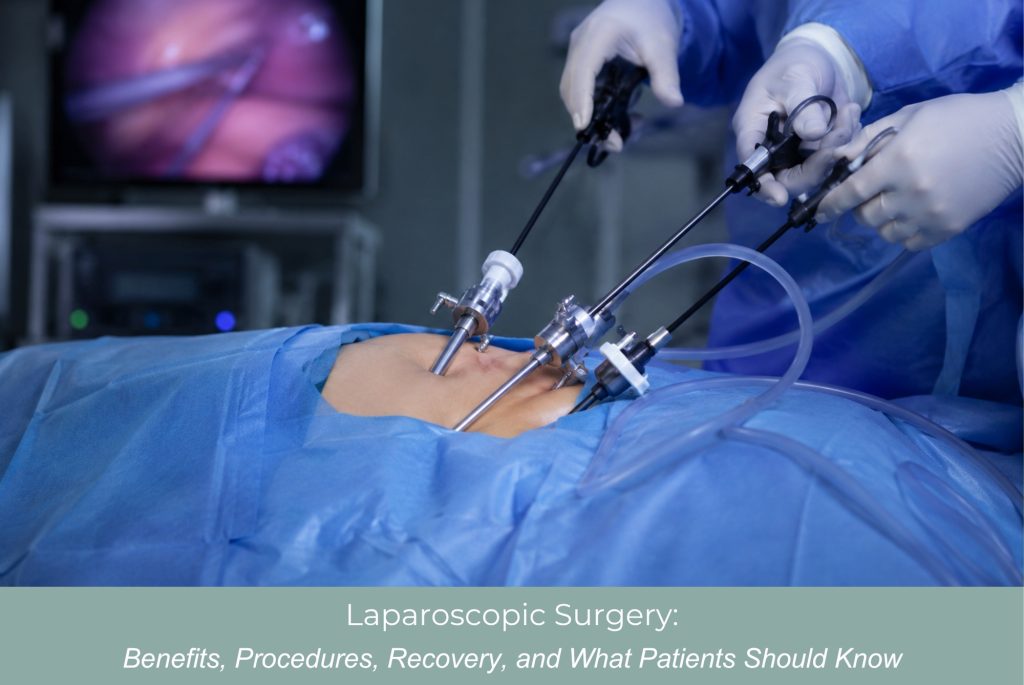
Laparoscopic surgery is a minimally invasive surgical technique that allows a surgeon to perform operations through several very small incisions rather than one large incision.
During the procedure, the surgeon inserts a thin instrument called a laparoscope, which contains a high-definition camera and light source. The camera projects magnified images onto monitors in the operating room, allowing the surgeon to perform precise surgical maneuvers using specialized instruments inserted through additional small incisions.
Instead of making a large opening to access the surgical site, laparoscopic surgery provides excellent visualization while minimizing tissue disruption.
This approach has become the standard of care for many abdominal and pelvic surgical procedures.
How Does Laparoscopic Surgery Work?
Most laparoscopic procedures follow a similar process:
- The patient receives general anesthesia.
- Small incisions (typically 5–12 mm) are made.
- Carbon dioxide gas gently inflates the abdomen to create working space.
- The laparoscope is inserted through one incision.
- Specialized instruments are introduced through additional ports.
- The surgeon performs the procedure while viewing magnified images on a monitor.
- Instruments are removed and the tiny incisions are closed with sutures, surgical glue, or adhesive strips.
Because muscles and tissues experience significantly less trauma compared to open surgery, patients generally recover much faster.
Conditions Commonly Treated with Laparoscopic Surgery
Laparoscopic surgery is widely used to treat numerous general surgical conditions.
Common procedures include:
Gallbladder Removal (Laparoscopic Cholecystectomy)
One of the most common minimally invasive procedures, laparoscopic gallbladder removal is performed for:
- Gallstones
- Biliary colic
- Chronic gallbladder inflammation
- Acute cholecystitis
- Gallbladder dysfunction
Most patients return home the same day.
Hernia Repair
Laparoscopic techniques are frequently used to repair:
- Inguinal hernias
- Ventral hernias
- Umbilical hernias
- Incisional hernias
The minimally invasive approach often results in less postoperative discomfort and quicker return to activity.
Appendectomy
Patients with appendicitis often benefit from laparoscopic removal of the appendix, which generally leads to:
- Smaller scars
- Reduced pain
- Faster recovery
- Lower infection risk
Colon Surgery
Certain colon procedures can be performed laparoscopically for conditions including:
- Diverticulitis
- Colon polyps
- Colon cancer
- Inflammatory bowel disease
The minimally invasive approach can significantly improve postoperative recovery when appropriate.
Other Procedures
Depending on the patient’s condition, laparoscopic surgery may also be used for:
- Small bowel surgery
- Diagnostic abdominal procedures
- Adhesion removal
- Certain gastrointestinal surgeries
- Select emergency procedures
Your surgeon will determine whether laparoscopic surgery is appropriate based on your diagnosis, anatomy, and overall health.
Advantages of Laparoscopic Surgery
The popularity of laparoscopic surgery continues to grow because of its numerous patient benefits.
Smaller Incisions
Traditional open surgery often requires larger incisions.
Laparoscopic procedures usually involve several incisions less than one-half inch in length.
Smaller incisions often result in:
- Reduced tissue damage
- Less visible scarring
- Improved cosmetic outcomes
Less Pain
Because muscles and tissues are disturbed less during surgery, patients generally experience:
- Less postoperative pain
- Reduced need for narcotic pain medications
- Greater comfort during recovery
Faster Recovery
Many patients return to normal activities significantly sooner after laparoscopic surgery compared with traditional surgery.
Recovery often includes:
- Earlier walking
- Faster return to eating
- Shorter work restrictions
- Earlier exercise clearance
Shorter Hospital Stay
Many laparoscopic procedures are performed on an outpatient basis.
Patients frequently return home:
- The same day
- Within 24 hours
- Earlier than patients undergoing open surgery
Lower Infection Risk
Smaller incisions reduce the amount of exposed tissue, which may lower the risk of wound complications and infections.
Less Blood Loss
The minimally invasive approach often results in reduced bleeding during surgery.
Better Visualization
High-definition laparoscopic cameras provide magnified views of internal anatomy, allowing surgeons to perform highly precise procedures.
Is Everyone a Candidate for Laparoscopic Surgery?
Although laparoscopic surgery is appropriate for many patients, it is not the best option in every situation.
Factors that influence candidacy include:
- Overall health
- Previous abdominal surgeries
- Extent of disease
- Body anatomy
- Presence of scar tissue
- Infection severity
- Emergency conditions
During your consultation, Dr. Matthew Cooper will carefully evaluate your medical history, imaging studies, and physical examination to determine the safest and most effective surgical approach.
Preparing for Laparoscopic Surgery
Proper preparation helps improve safety and recovery.
Your surgeon may recommend:
- Blood work
- Imaging studies
- Medication adjustments
- Temporary fasting
- Smoking cessation
- Arranging transportation home
- Reviewing postoperative instructions
Always follow your surgeon’s preoperative guidelines carefully.
What Happens on Surgery Day?
On the day of surgery:
- You will check into the surgical facility.
- Nurses review your medical history.
- An anesthesiologist discusses your anesthesia plan.
- The surgical team confirms the procedure.
- Surgery is performed under general anesthesia.
- You recover in the postoperative recovery area.
- Most patients are discharged once they are medically stable.
Recovery After Laparoscopic Surgery
Recovery varies depending on the specific procedure performed.
Many patients experience:
- Mild soreness
- Fatigue for several days
- Shoulder discomfort from the carbon dioxide gas used during surgery
- Minor bruising near incision sites
Walking soon after surgery is encouraged to reduce complications and improve circulation.
Most patients gradually resume:
- Light activity within several days
- Driving after discontinuing narcotic pain medication
- Work within one to three weeks, depending on the procedure
- Exercise once cleared by their surgeon
Caring for Your Incisions
Proper incision care promotes healing.
Patients should:
- Keep incisions clean and dry
- Follow bathing instructions
- Avoid soaking incisions until cleared
- Watch for redness or drainage
- Attend all follow-up appointments
Most laparoscopic incisions heal with minimal scarring.
Possible Risks of Laparoscopic Surgery
Although laparoscopic surgery is considered very safe, every operation carries some risk.
Potential complications include:
- Bleeding
- Infection
- Blood clots
- Injury to nearby organs
- Anesthesia complications
- Hernia at incision sites
- Need to convert to open surgery if necessary for safety
Your surgeon will discuss all risks and benefits before surgery.
Laparoscopic Surgery vs. Open Surgery
| Laparoscopic Surgery | Open Surgery |
| Small incisions | Larger incision |
| Less postoperative pain | More postoperative discomfort |
| Shorter hospital stay | Longer hospitalization |
| Faster recovery | Longer recovery |
| Smaller scars | Larger scar |
| Lower infection risk | Higher wound complication risk |
| Earlier return to work | Longer work restrictions |
In some complex situations, open surgery remains the safest and most appropriate option.
Why Choose an Experienced General Surgeon?
The success of minimally invasive surgery depends not only on the technology but also on the surgeon’s experience, training, and judgment.
An experienced general surgeon can:
- Determine the most appropriate surgical approach
- Perform complex minimally invasive procedures safely
- Recognize and manage complications
- Personalize treatment to each patient’s unique condition
- Provide comprehensive preoperative and postoperative care
Dr. Matthew Cooper is committed to delivering compassionate, patient-centered surgical care using modern techniques that prioritize both safety and excellent outcomes.
When Should You See a General Surgeon?
You should schedule an evaluation if you experience:
- Gallbladder pain
- Hernia symptoms
- Persistent abdominal pain
- Recurrent appendicitis symptoms
- Colon disorders requiring surgery
- Abdominal masses
- Surgical conditions recommended by your primary care physician or specialist
Early evaluation often allows for more treatment options and better outcomes.
The Future of Minimally Invasive Surgery
Advances in surgical technology continue to improve patient care.
Innovations include:
- High-definition imaging
- Advanced energy devices
- Enhanced laparoscopic instruments
- Robotic-assisted surgical systems
- Improved anesthesia techniques
- Enhanced recovery protocols
These advances continue to make surgery safer, more precise, and more comfortable for patients.
Frequently Asked Questions (Q&A)
What is laparoscopic surgery?
Laparoscopic surgery is a minimally invasive surgical technique performed through several small incisions using a camera and specialized instruments.
Is laparoscopic surgery painful?
Most patients experience significantly less pain compared to traditional open surgery, although some temporary soreness is expected.
How long does laparoscopic surgery take?
Procedure length varies depending on the operation but commonly ranges from 30 minutes to several hours.
Will I stay overnight?
Many laparoscopic procedures are outpatient surgeries, allowing patients to return home the same day.
How soon can I return to work?
Depending on the procedure and your occupation, many patients return to work within one to three weeks.
Will I have scars?
Yes, but laparoscopic surgery typically leaves only several very small scars that often fade considerably over time.
Is laparoscopic surgery safe?
Yes. It is considered a safe and well-established surgical technique when performed by a qualified surgeon.
Can every surgery be done laparoscopically?
No. Some conditions require open surgery, while others may begin laparoscopically but need to be converted to an open procedure if necessary for patient safety.
When can I exercise again?
Most patients can resume light activity within days, but strenuous exercise should only be restarted after approval from their surgeon.
What are the benefits compared to open surgery?
Benefits often include smaller incisions, less pain, reduced blood loss, lower infection risk, faster recovery, shorter hospital stays, and improved cosmetic results.
Schedule a Consultation with Dr. Matthew Cooper
If you have been diagnosed with a condition that may require surgery or would like to learn whether minimally invasive laparoscopic surgery is right for you, Dr. Matthew Cooper provides personalized surgical evaluations and evidence-based treatment recommendations focused on achieving the best possible outcomes.
Dr. Matthew Cooper
303 Santa Fe Dr.
Encinitas, CA 92024
Phone: (760) 635-9185
Website: https://encinitassurgical.com
Schedule a Consultation: https://encinitassurgical.com/appointments/